Behavior Analysis in the Land of 1000 Spires: ABAI Brings Its International Conference to Prague
This fall, experience dynamic workshops, presenters, symposia, and more in a city like no other. Join leading researchers and practitioners in Prague for an exploration of how behavior analysis can be utilized in educational, clinical, and cultural systems. The program brings together experimental analysis, applied interventions for autism, and culturo-behavior science to showcase new research findings, evidence-based training models, and strategies for broad societal impact. Learn practical methods, hear cutting-edge research, and connect with international colleagues.
The O2 Universum Congress Center offers state-of-the-art conference facilities, accommodating up to c attendees across its 38 flexible rooms. Designed for world-class events, the center features premium catering and advanced audiovisual services, ensuring every conference moment is seamless and memorable.
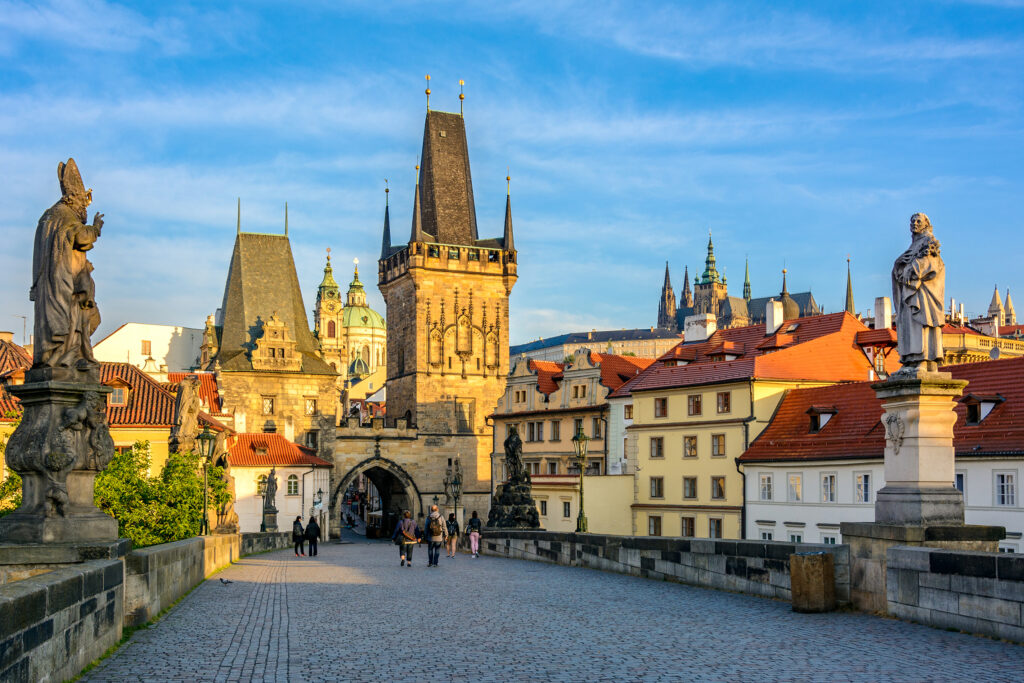
Prague is renowned for its enchanting blend of centuries-old heritage, vibrant culture, and innovative spirit that will inspire every visitor. Whether wandering the iconic Charles Bridge or exploring the intricate halls of Prague Castle, you’ll experience a city where past and present meet in perfect balance.
Prague captivates with its extraordinary architecture and cultural sites. Visit landmarks like Old Town Square, the Astronomical Clock, and the majestic St. Vitus Cathedral. Art enthusiasts can explore newly opened museums celebrating Czech icons such as Karel Gott and Alphonse Mucha, while music lovers may enjoy interactive exhibits dedicated to Mozart and Dvořák. The city’s vibrant festival calendar, including theatrical, musical, and culinary events, extends through autumn, offering attendees plenty of opportunities to experience Prague’s creative energy.
Invited Workshops:
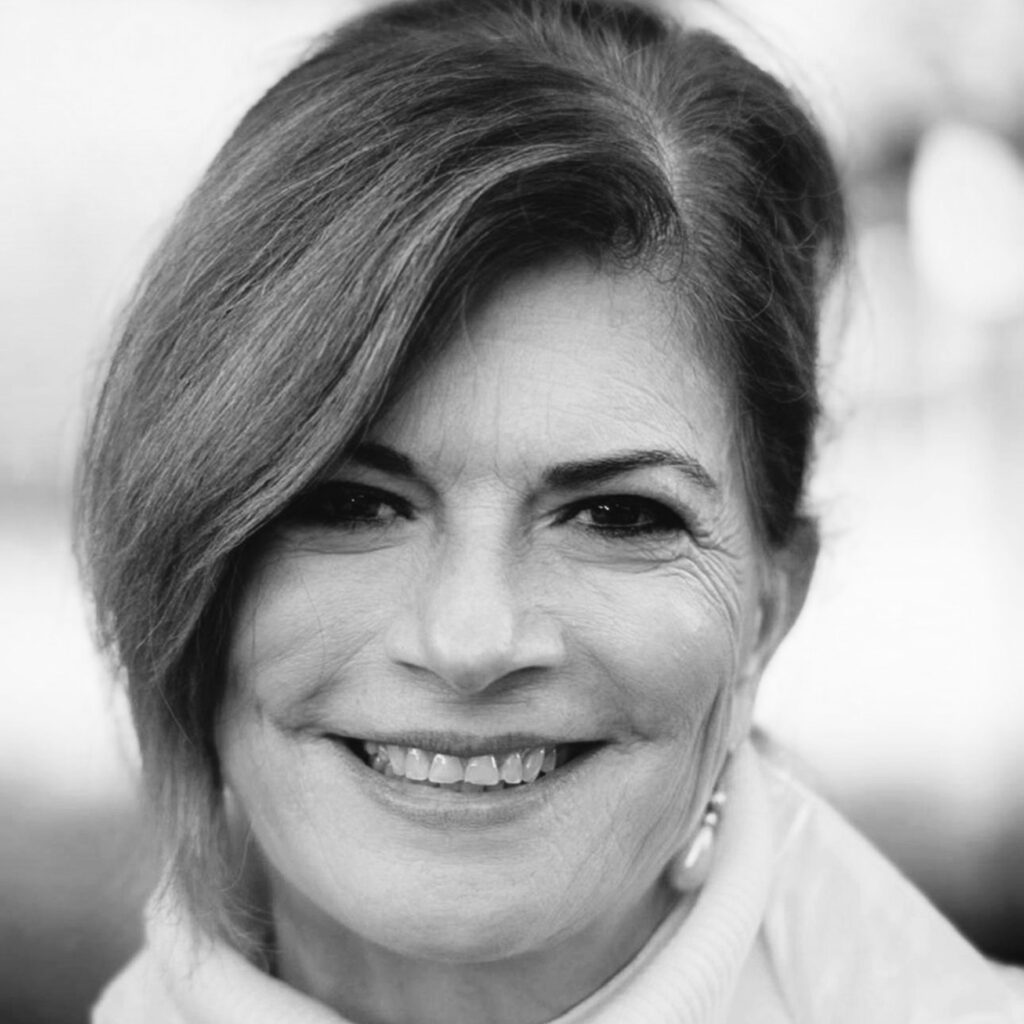
Early Social Learning: Behavioral Interventions
MARTHA PELAEZ
(Florida International University)

From Words to Worlds:
Contemporary Relational
Frame Theory in Action
DERMOT BARNES-HOLMES
(Ulster University)

Complexity, Science and Society
INGUNN SANDAKER
(Oslo Metropolitan University/ OsloMet)
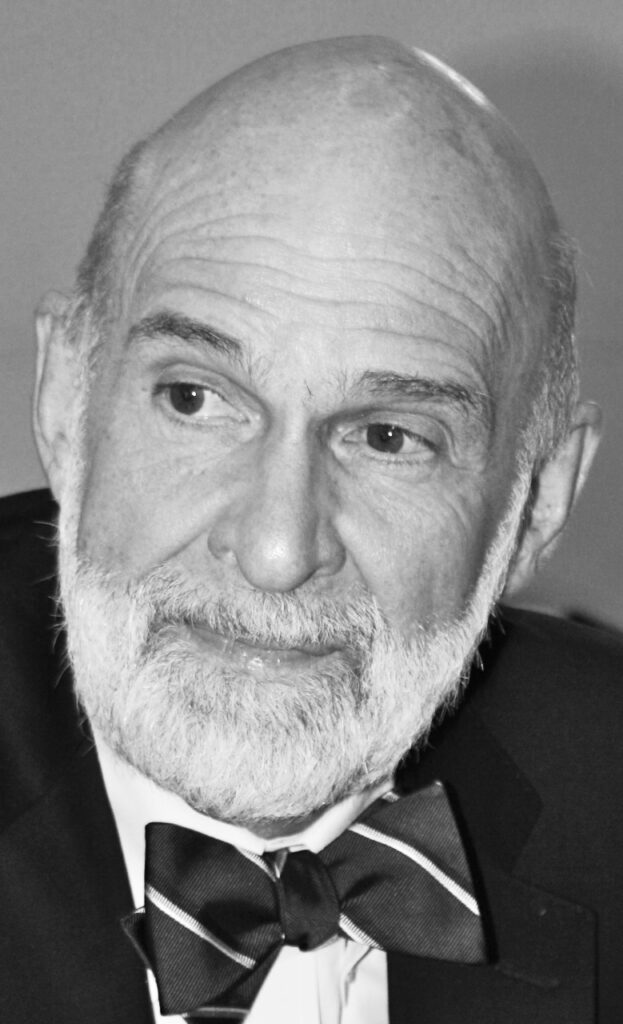
How to Identify and Establish Verbal /Language Developmental Cusps
R. DOUGLAS GREER
(Professor Emeritus Columbia University Teachers College and Graduate School of Arts and Sciences)
Invited Paper Sessions:
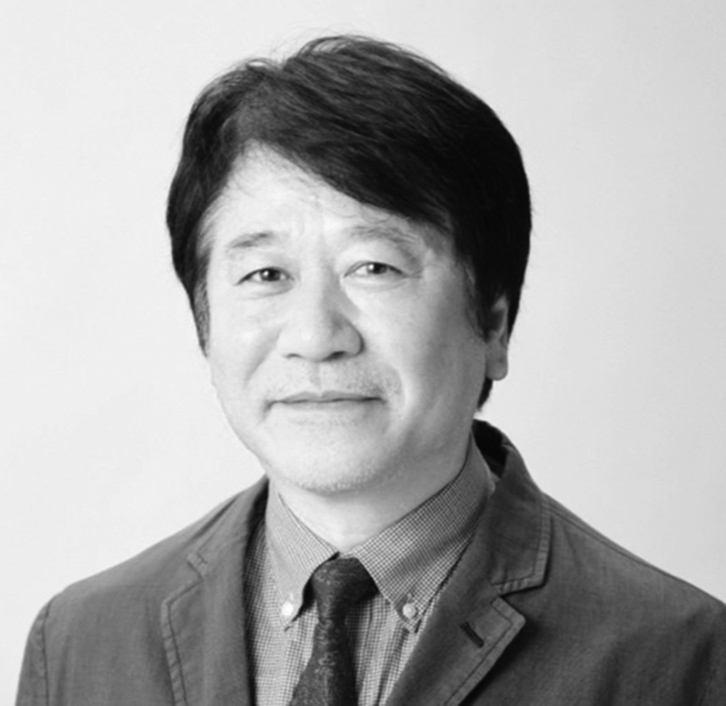
Social Learning and Collective Behavior: When Social Environments Help—or Hinder—Adaptive Outcomes
TATSUYA KAMEDA
(Meiji Gakuin University)
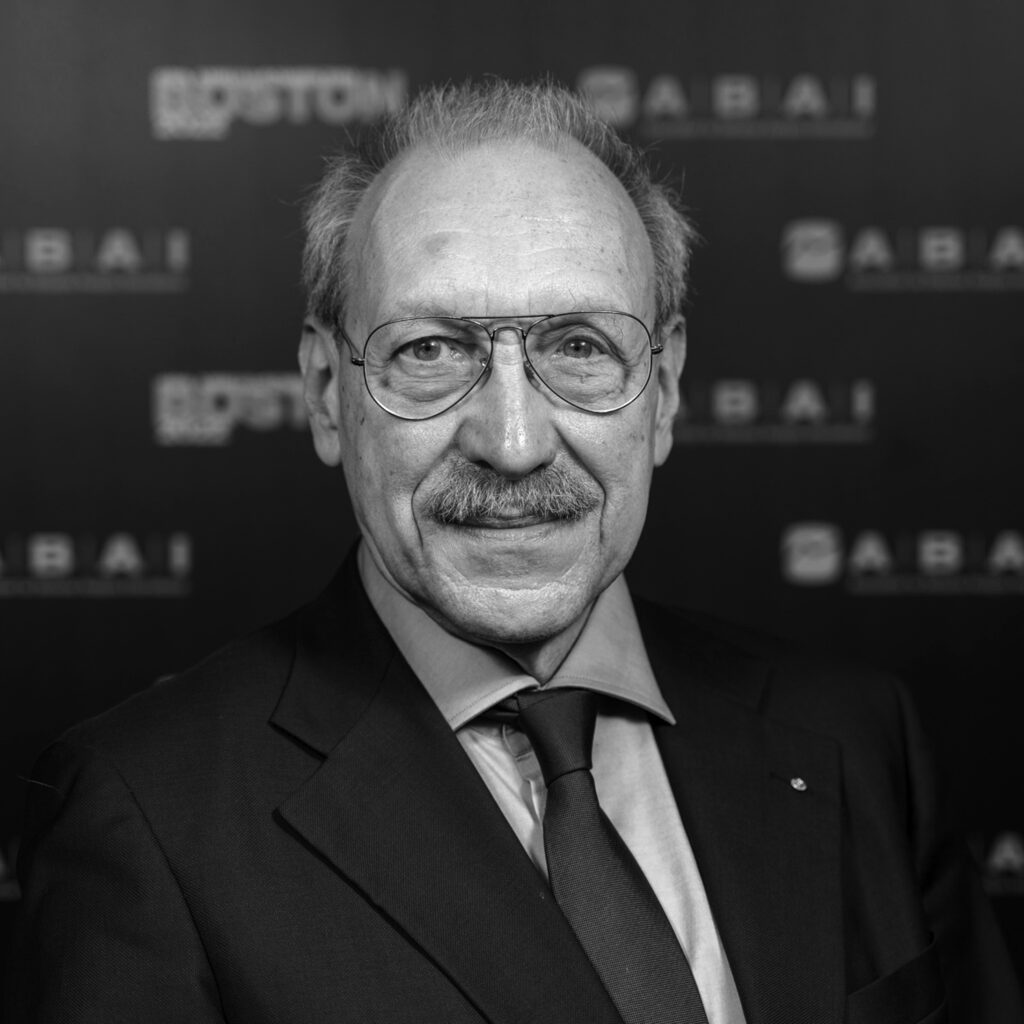
Behavior Analysis, a Poorly Promoted and Established Science: How to Transform the Principles of Behavior Into Pervasive Activities Across All Sectors of Civil Society
FABIO TOSOLIN
(Association for the Advancement
of Radical Behavior Analysis)
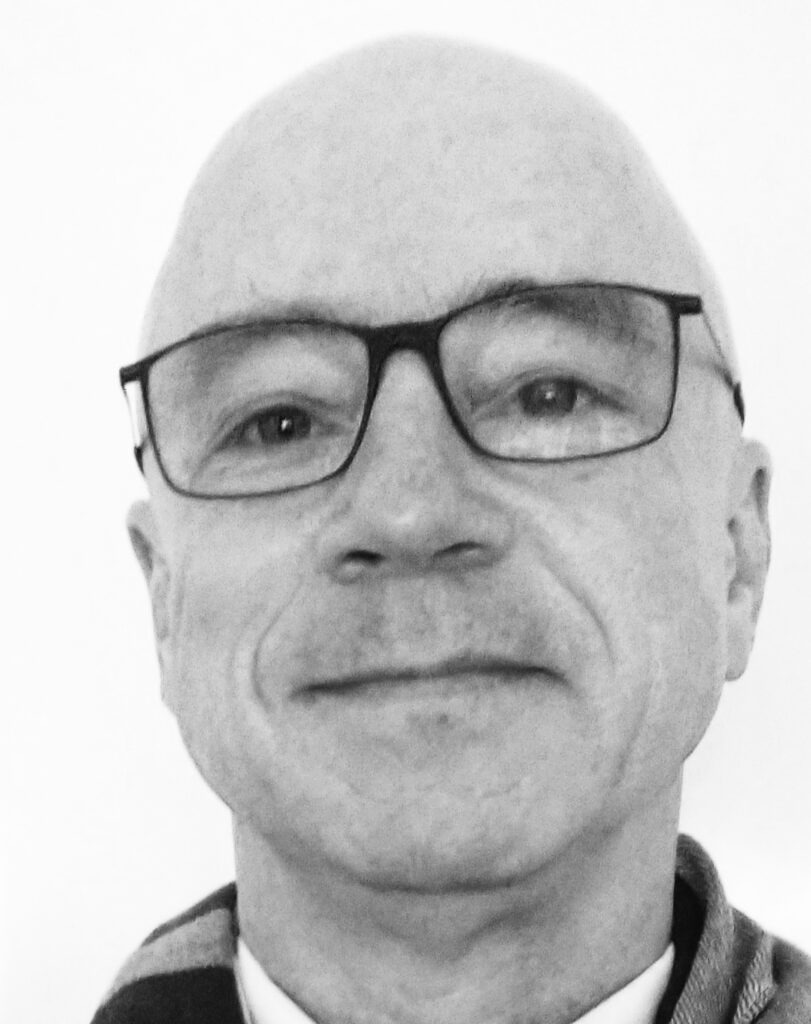
When Multiple Cues Predict Important Change, or How Animals Integrate Session Time, Trial Number, and Response Outcome in a Serial Reversal Learning Task
ARMANDO MACHADO
(University of Aveiro, Portugal)
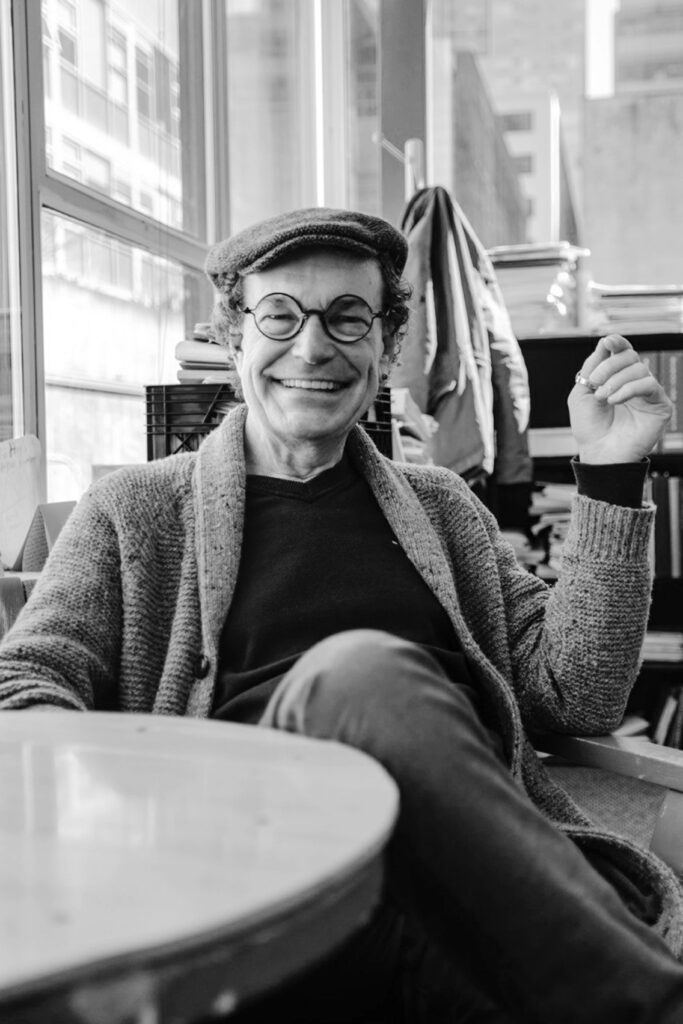
Six Pillars of the Morningside Model of Generative Instruction
KENT JOHNSON
(Morningside Academy)
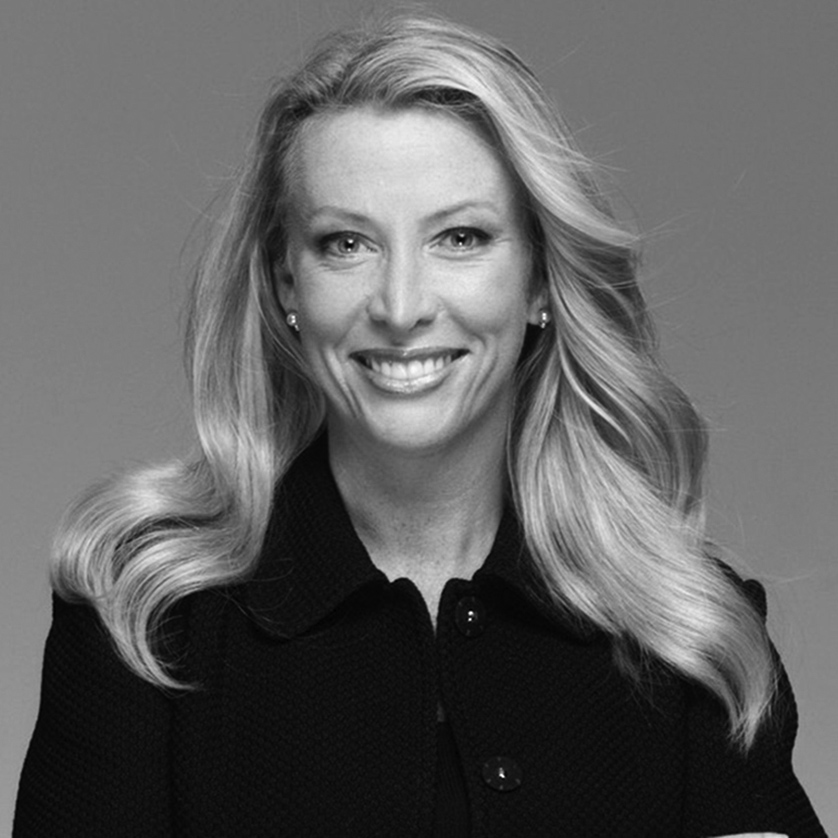
Favors, Facts & Fishnets: Applied Behavior Analysis, Autism, and the Parental Voice
LORRI UNUMB
(Council of Autism Service Providers)
Invited Symposia:
Increasing Therapeutic Outcomes Through Generative Social Skills Training and Naturalistic Caregiver Training
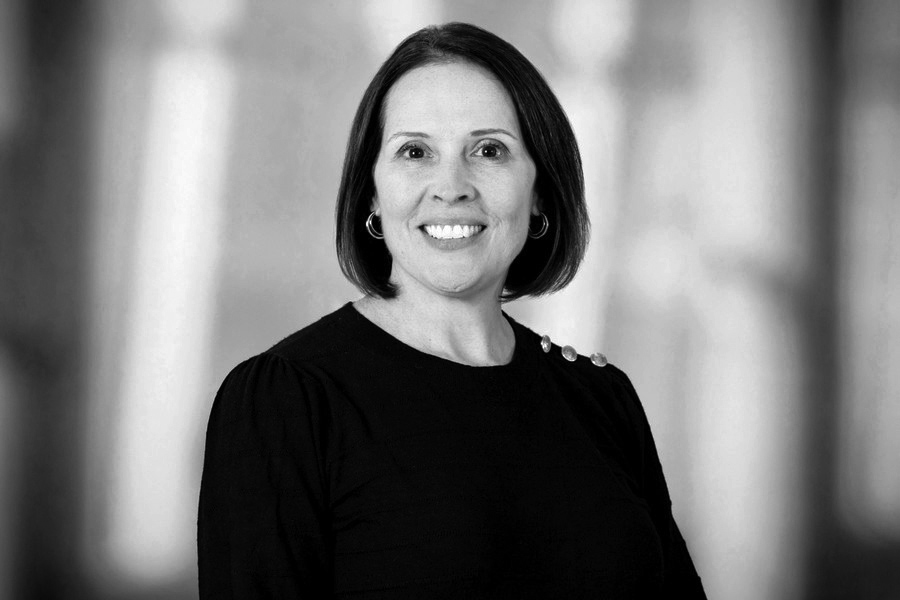
Using Auditory Scripts to
Promote Generative Social Skills
ALICE SHILLINGSBURG
(Munroe-Meyer Institute, UNMC)
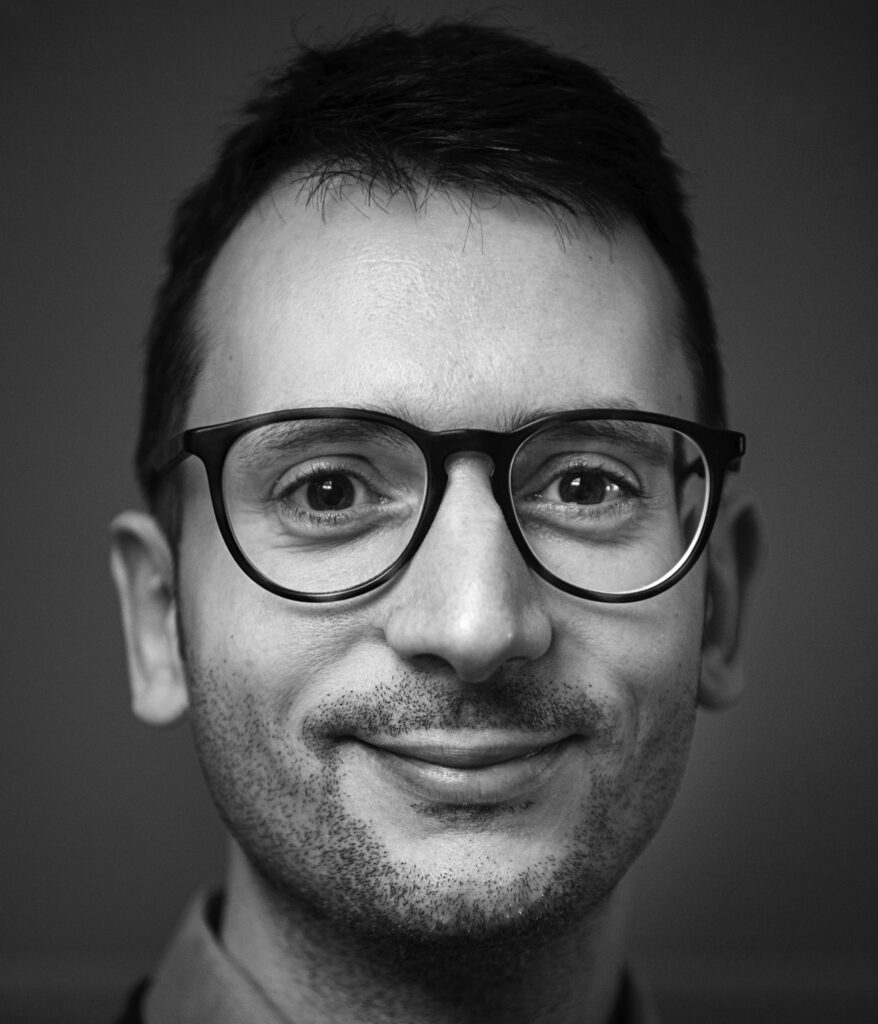
From Consumer Choice to Cultural Practices: Extending Behavior-Analytic Interventions for Scalable Change
MARCO TAGLIABUE
(OsloMet—Oslo Metropolitan University)
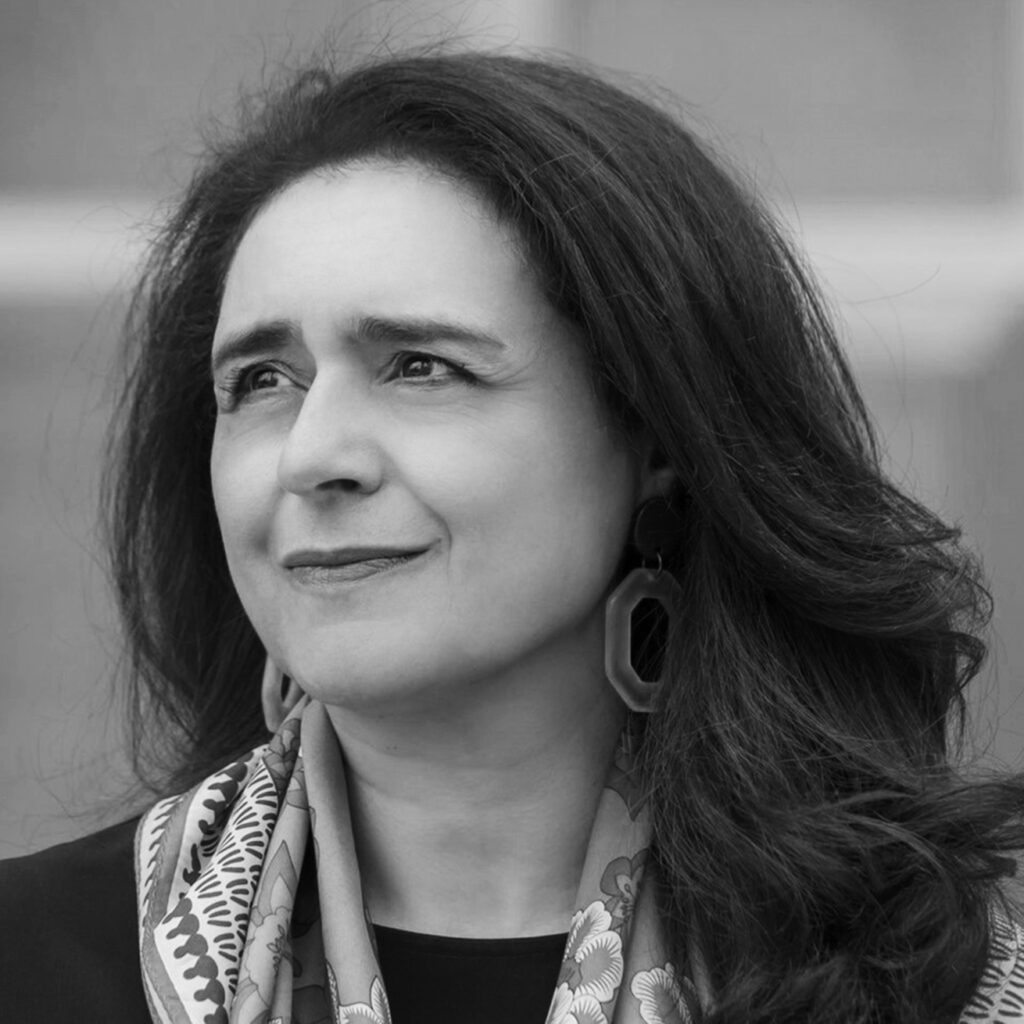
A Naturalistic Behavior Analytic Training Program for Parents of Children With Autism Spectrum Disorder
ANGELIKI GENA
(University of Athens, Greece)
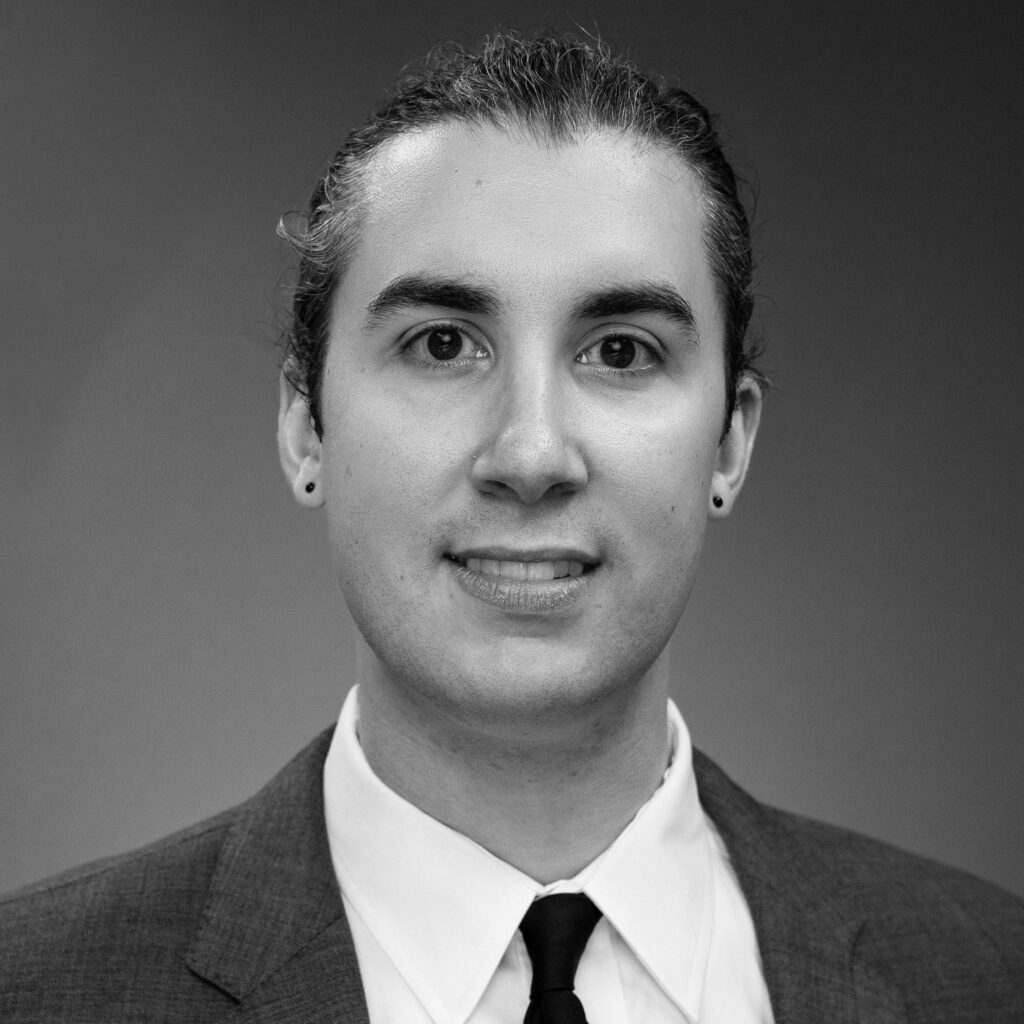
So Why Aren’t We Doing It? Contextualizing Climate Inaction
Within a Reinforcer Economy
BRETT GELINO
(University of Massachusetts Lowell)
Behavioral Considerations of Large-Scale Behavior Change Related to Climate Change
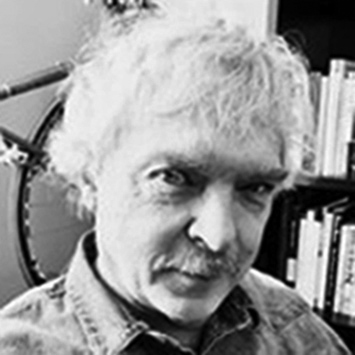
Moderator:
MARK. P. ALAVOSIUS
(University of Nevada, Reno)
Culturo-behavior Science & Evolution of Cultural Systems
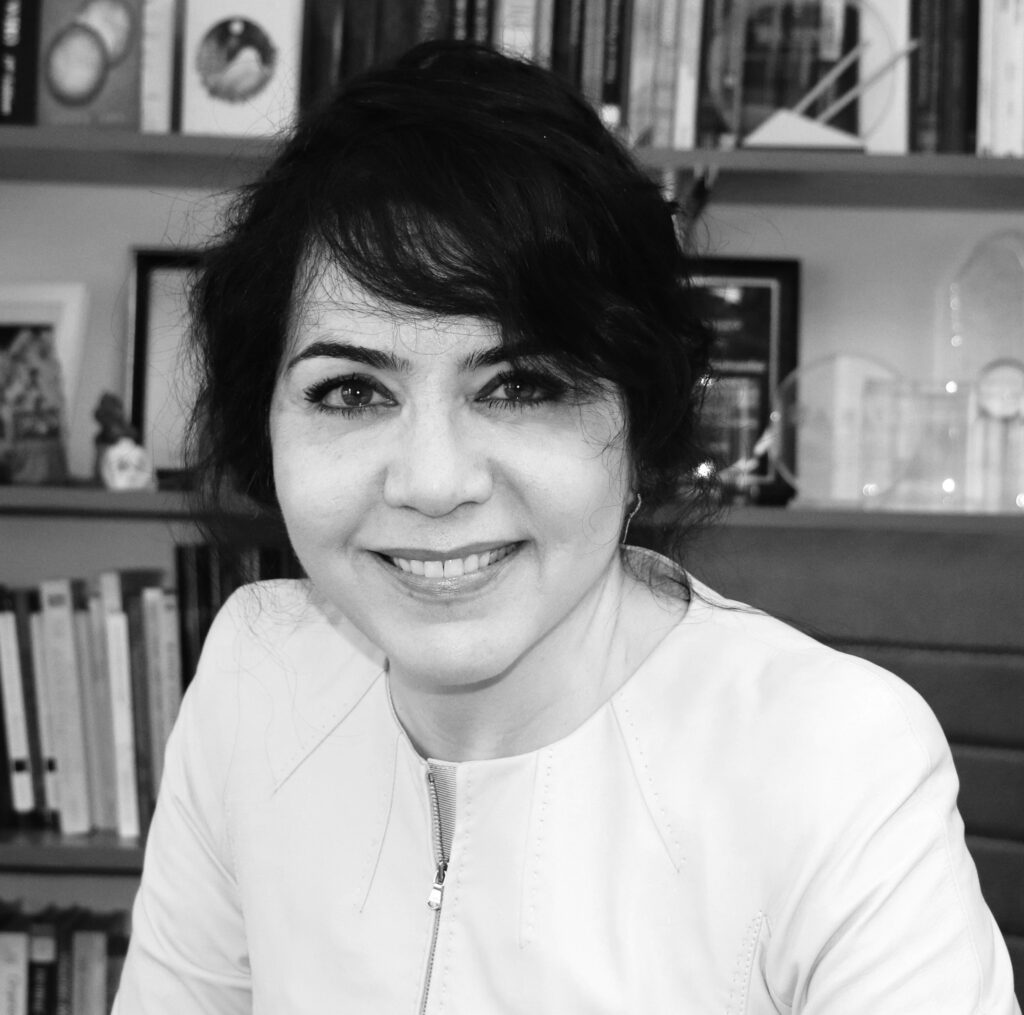
Moderator:
RAMONA HOUMANFAR
(University of Nevada, Reno)
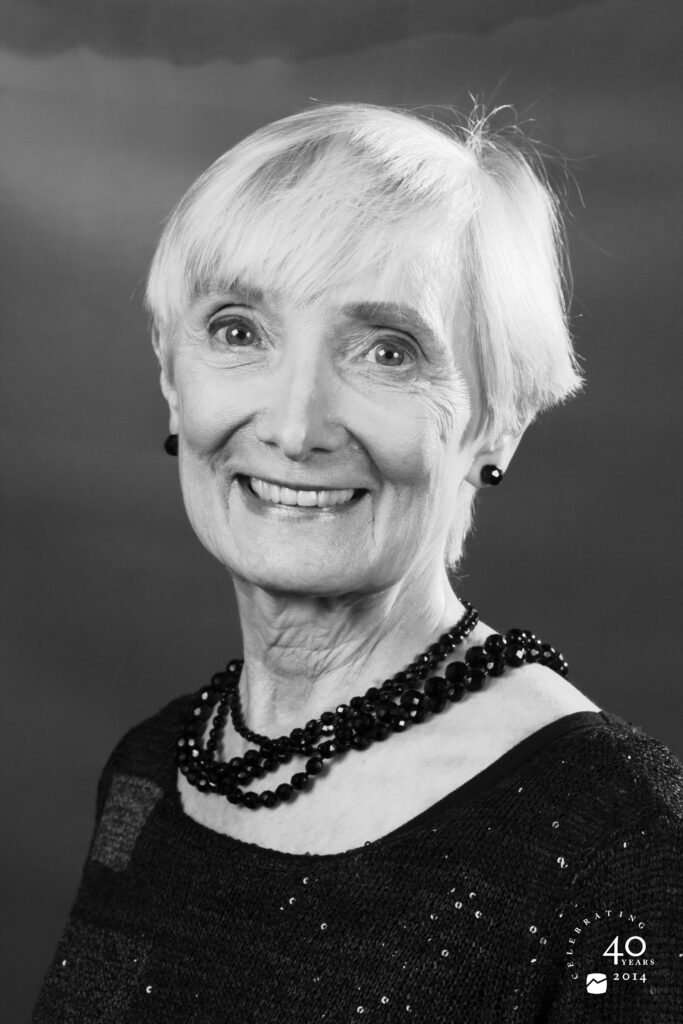
Human Behavior and the Evolution of Verbal Communities
SIGRID S. GLENN
(University of North Texas)
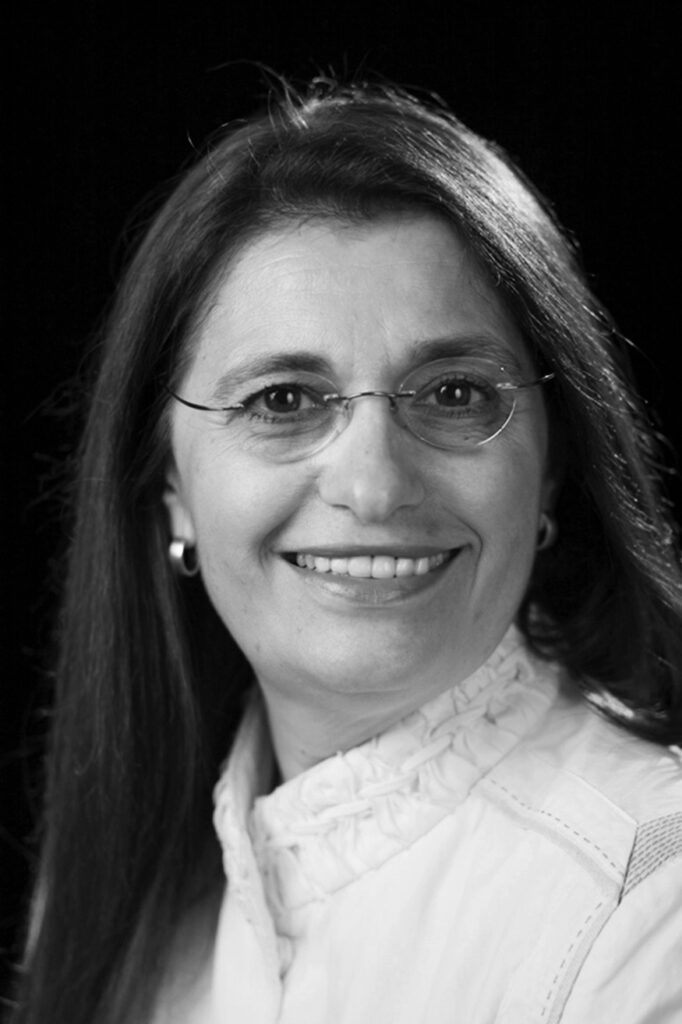
Cultural Cusps: Unique,
Non-Replicable, and Unpredictable Culturo-Behavioral Phenomena
MARIA E. MALOTT
(Association for Behavior
Analysis International)
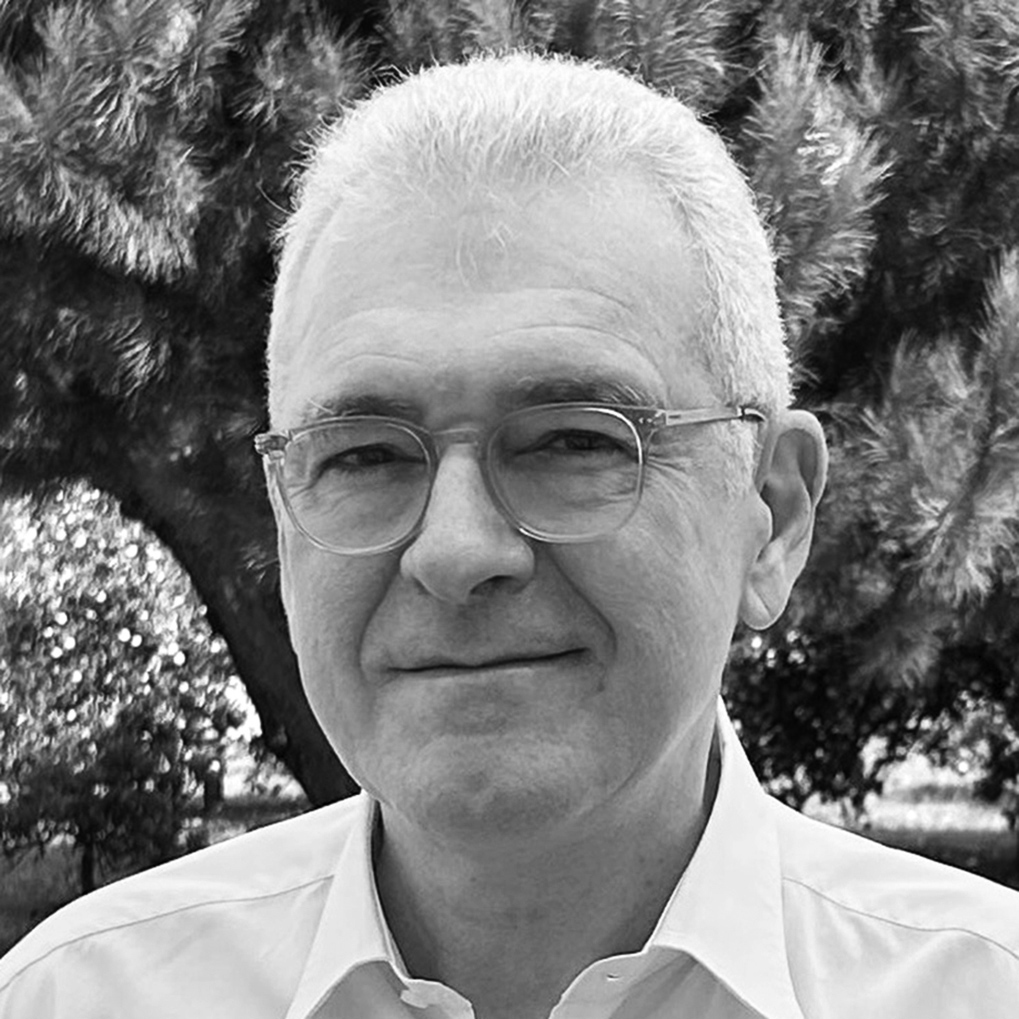
Negative Cultural Cusps and the Survival of Cultural Systems
EMMANUEL Z. TOURINHO
(Universidade Federal do Para / Federal University of Para)
Interbehavioral Field Theory: Can It Rescue Relational Frame Theory (RFT) From the Abyss of Latent Construct Theorizing?

Moderator:
MITCH FRYLING
(California State University, Los Angeles)

Interbehaviorism Revisited: Distinguishing Between Investigative and Interpretive Constructs in Relational Frame Theory
COLIN HARTE
(Universidade Federal de São Carlos)

Relational Frames Are Units of Analysis, Not Things: Resisting Ontological Inflation Inside Relational Frame Theory (RFT)
DERMOT BARNES-HOLMES
(Ulster University)
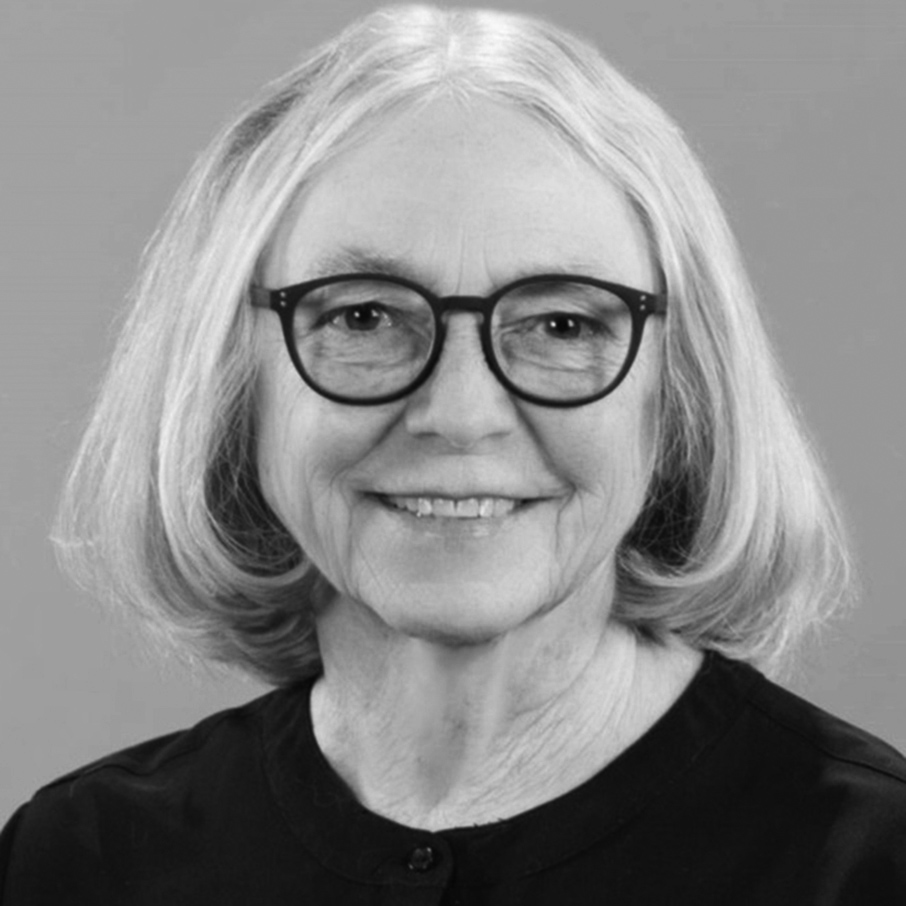
Relations of Partial Similarity
LINDA J. PARROTT HAYES
(University of Nevada, Reno)
Behavior Analysis: The Flight Continues
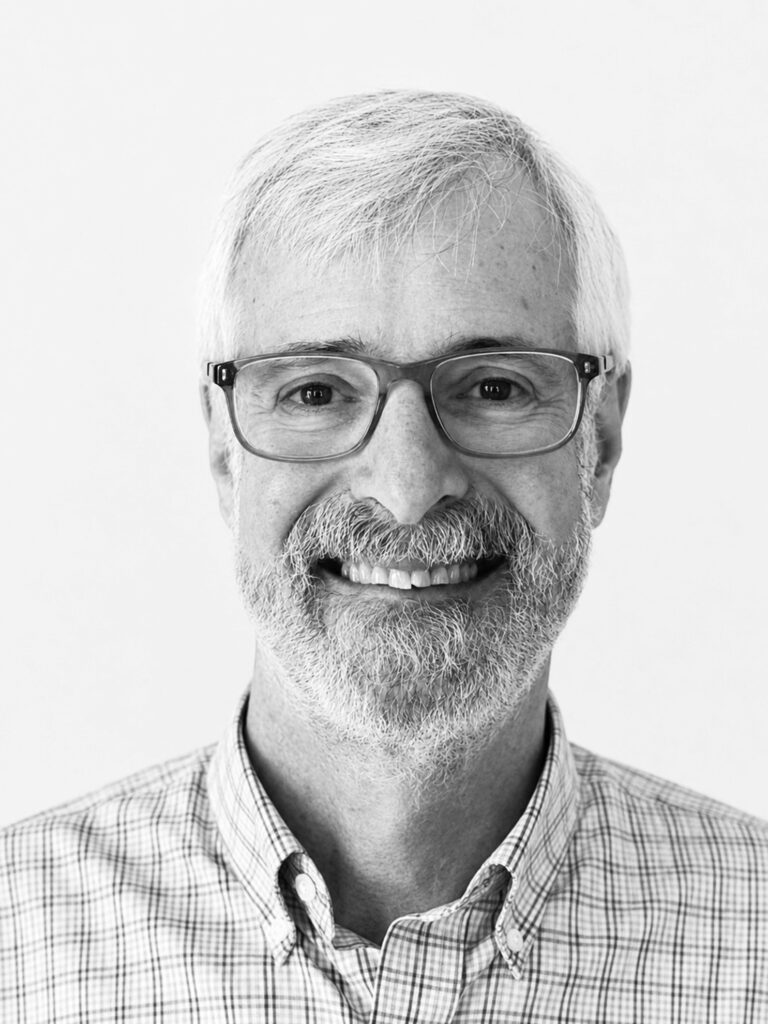
Moderator:
RAYMOND C. PITTS
(University of North Carolina Wilmington)
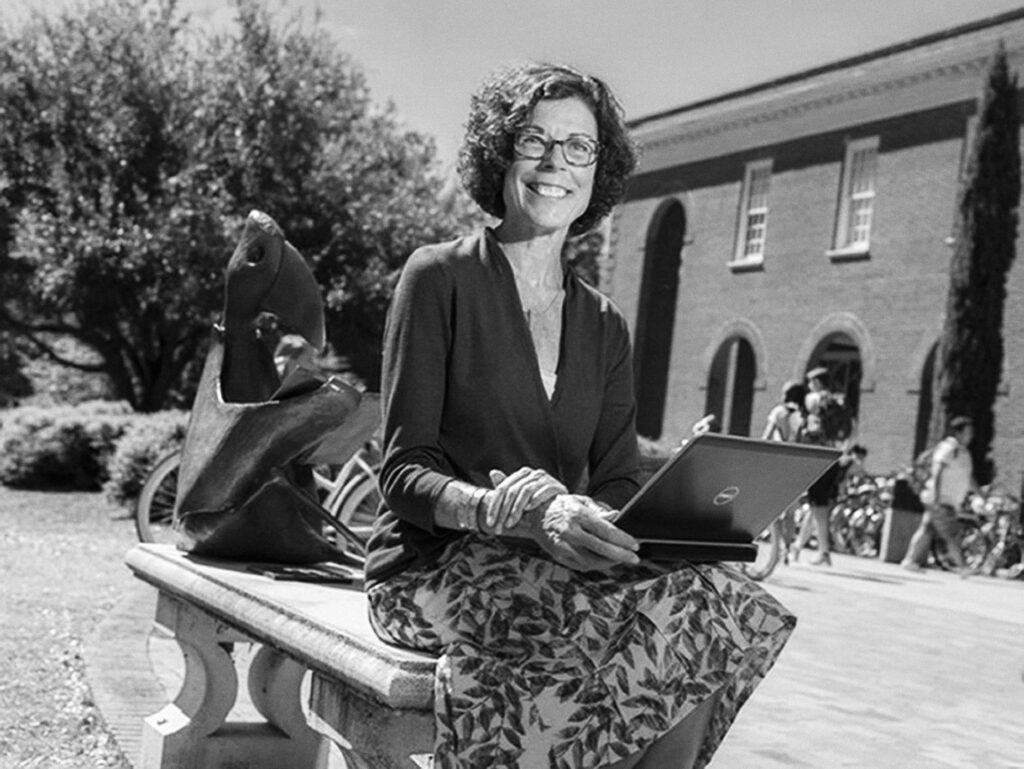
The Importance of Instruction in the Experimental Analysis of Behavior
CAROL PILGRIM
(University of North Carolina Wilmington)
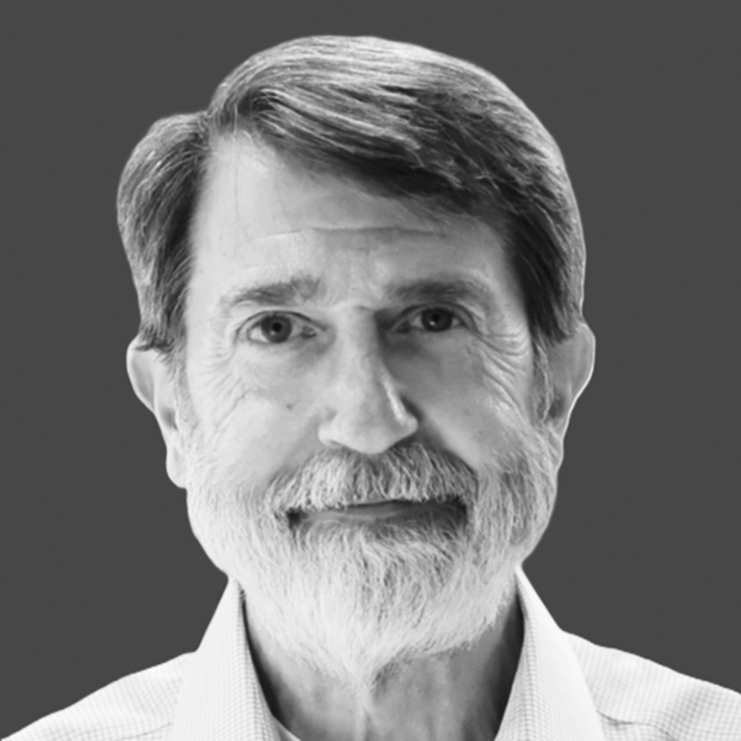
The Importance of Single-Case Designs in the Experimental Analysis of Behavior
MICHAEL PERONE
(West Virginia University)
Applying Relational Frame Theory to Contemporary Societal Challenges
How Relational Frame Theory May Contribute to Understanding Political Polarization
JULIO C. DE ROSE
(Universidade Federal de São Carlos)
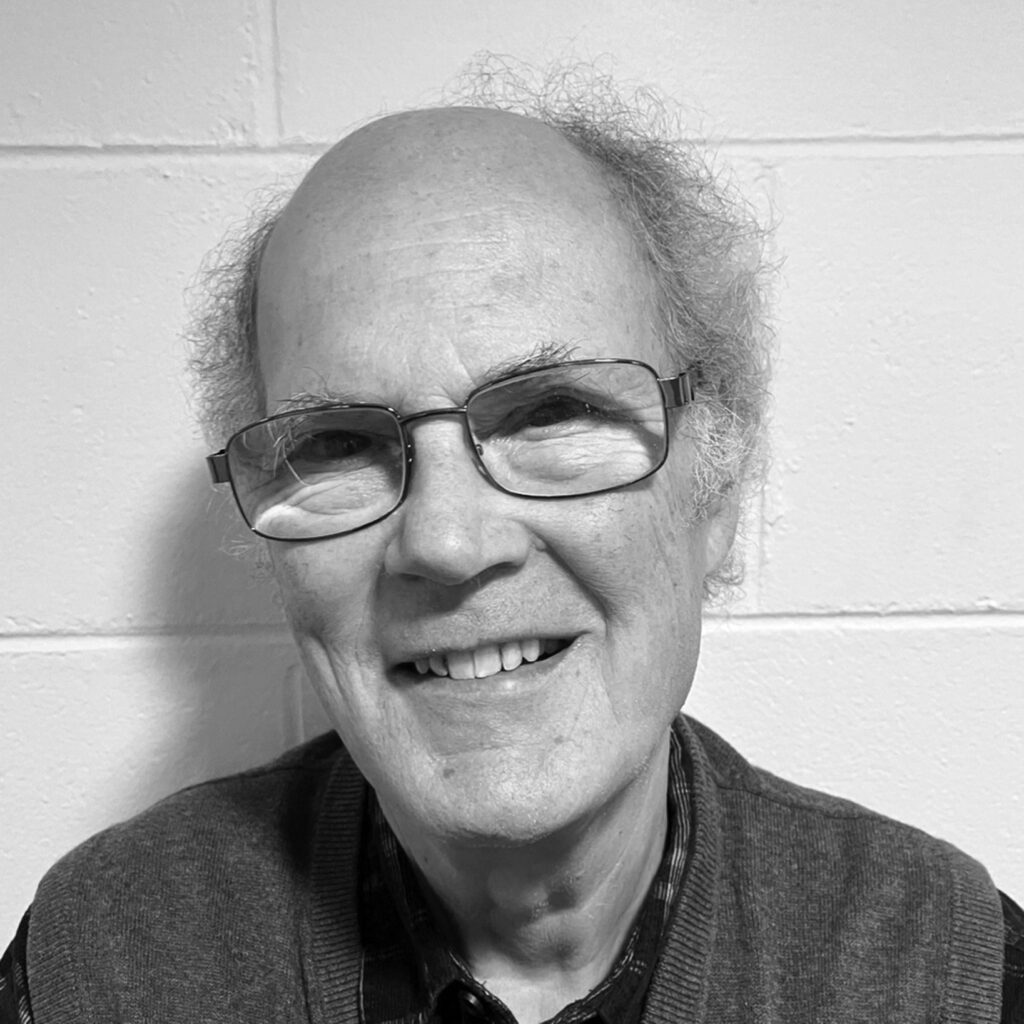
Phylogenetic, Ontogenetic and Cultural Determinants of Relational Learning
JULIAN LESLIE
(Ulster University)
About Author